On this page
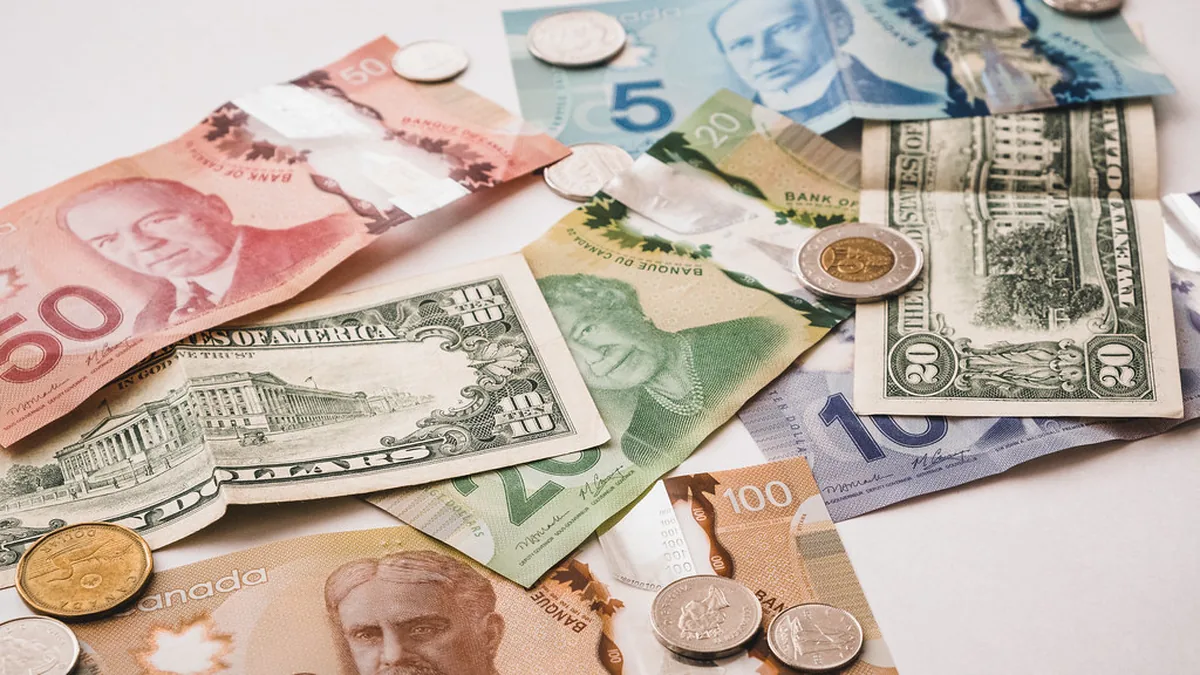
Deposit Canadian dollars, pay a hidden tax. That’s the rule at almost every online casino that runs its back end in US dollars or euros. A C$500 deposit can lose more to currency conversion than any welcome bonus promises, because the money gets converted not once, but up to three times—by your card issuer, by your e-wallet, and inside the casino’s own cashier. The true cost is round-trip foreign exchange, and the bill lands on the player whether the casino calls it a “fee” or not.
Where the conversion happens – and why each layer bites
Currency conversion hits at three distinct points, and each one takes a cut its own way.
First, the card or bank rail. Nearly all major Canadian banks charge a foreign currency transaction fee of two and a half percent, according to a Canadian university FAQ page. That’s C$12.50 on a C$500 deposit the moment your Visa or Mastercard touches a USD-denominated merchant. The fee is applied to the converted amount before it ever reaches the casino, and most card statements show it as a single bundled line item.
Second, the e-wallet layer. If you use Wise to move money, you face a conversion fee that’s a mix of variable and fixed components. Wise’s pricing configuration, lists the variable component as 0.02% to 4.67% and the fixed cap at C$22.63, depending on the currencies and transaction type. Wise’s e-wallet send page gives a concrete example: sending C$1,000 to a EUR account by bank transfer costs C$6.34. If the money is already sitting in a Wise balance, the fee drops to C$5.25. That same document also confirms that when you pay with the Wise Multi-Currency Card in the currency you hold, there is no conversion fee at all—spend CAD from a CAD balance, and you pay nothing.
Third, the casino itself converts. an Interac casino guide explains that a casino which maintains player accounts in US dollars or euros will convert any incoming CAD deposit to its operating currency. The rate the casino uses is rarely published—it’s the operator’s own processor rate, often invisible inside the transaction. a CAD currency casino guide describes the alternative: when the casino holds balances in Canadian dollars and connects to a Canadian collection account, an Interac deposit moves CAD-to-CAD with no foreign exchange touch-point on the rail itself.
That’s the core map. Every conversion point can be active or bypassed depending on the payment rail and the casino’s account structure. The worst case stacks all three.
C$500 in, C$500 out – what the numbers actually cost
Take a C$500 deposit and withdrawal. If you pay by a major Canadian credit card at a USD-denominated casino, the card issuer immediately applies the 2.5% foreign transaction fee. That’s C$12.50 gone. The casino then receives USD and credits your account after its own conversion. Even a modest spread there adds another drag—casinos do not publish their exchange rates, but the conversion happens on every deposit.
On withdrawal, the sequence reverses. The casino converts your USD balance back to CAD, again at whatever rate it sets, and sends CAD to your card. The card issuer does not typically levy an incoming foreign transaction fee on a CAD credit to a CAD card, but the round-trip already holds two casino-side conversions and one card-side fee.
Now use a Wise e-wallet instead. Send C$500 from a Canadian bank account to a EUR balance. Based on Wise’s C$1,000 example costing C$6.34, a proportional estimate for C$500 is around C$3.17. If you top up the Wise account beforehand and convert inside the wallet, that conversion cost is taken once. When you fund the casino from that EUR balance, no further Wise conversion applies, but the casino may still convert EUR to its own operating currency if the account is in USD.
The takeaway: on a single C$500 deposit and withdrawal, losing C$12.50 on the card side plus another few dollars at the wallet and an unknown spread on the casino leg can erase C$25 to C$40 before you’ve placed a bet. A 100% match bonus looks a lot smaller when nearly a tenth of the stake dissolves in FX.
Cards, e-wallets, Interac: which rail protects your CAD
The payment method decides how many conversion gates you walk through.
Credit and debit cards from Canadian banks almost always carry the 2.5% foreign transaction fee. The Edmonton FAQ says the core element of extra fees abroad is that fee, and it applies at nearly every major institution. There is no published bank page that exempts gambling transactions, so the fee sticks.
E-wallets like Wise give you more control. Wise’s pricing page notes that some transactions, including topping up e-wallets and other accounts, are charged from 0.19%. But the real advantage is the multi-currency account. Hold USD in Wise, fund the casino in USD, and you avoid conversion at the moment of deposit. The cost is whatever you paid to acquire that USD in the first place—Wise’s variable rate, which can be as low as 0.02% on favourable corridors, though the fixed fee can hit C$22.63 on large conversions. For a C$500 trade, the total bite is typically under C$10.
Interac is the cleanest rail. an Interac-focused Canadian casino guide, and a separate page at Casinos.com, both stress that Interac e-Transfer moves CAD straight from a Canadian bank account to the casino and back, with no conversion fees. Interac is a Canadian-dollar system; it only moves Canadian dollars. That means the rail itself costs nothing. But it does not magically erase conversion if the casino’s back end is in USD. SWBulk’s guide is blunt: a casino that converts CAD deposits to USD or EUR is using Interac as an on-ramp to another payment system.
The one decision that erases a conversion leg
A CAD-denominated casino account removes the operator’s conversion entirely. PayoutVerdict explains that when the casino holds balances in Canadian dollars and connects to a Canadian collection account, the Interac deposit is pure CAD-to-CAD. SWBulk says the same thing: a CAD account avoids conversion on both deposits and withdrawals.
This matters more than bonus size. A casino that hands out C$1,000 in match credits but runs its books in USD will reclaim some of that through FX. A CAD casino with no bonus might leave more real money in your pocket on a C$500 round trip because there’s only one conversion to worry about—the one you control.
The practical check: look for “CAD” in the cashier’s currency selector. If it’s not there, the casino is almost certainly settling in USD or EUR behind the scenes. The Interac option will still appear, but the money will change hands at the casino’s rate.
FAQ – where the fees hide
Does “no deposit fee” mean there are no conversion costs?
No. A casino can advertise zero deposit fees because it does not add a surcharge, but that doesn’t stop your bank’s foreign transaction fee or a wallet’s conversion charge from applying on the way in. It also doesn’t reveal the casino’s own exchange rate spread.
Where does the 2.5% foreign transaction fee show up?
On your card statement. It’s bundled with the transaction when the purchase is in a currency other than CAD. If the casino processes in USD, you see the fee regardless of what the casino claims.
Can Interac eliminate all conversion?
Only if the casino account is in CAD. Interac itself is CAD-only and fee-free, but a casino that holds your balance in USD will convert on its side.
What about Wise’s no-fee rule?
Wise’s pricing configuration states that if you have a Wise Account balance in the currency you are spending, there is no fee when paying with the Wise Multi-Currency Card in that currency. So fund a USD balance before depositing, and you dodge the wallet-conversion leg.
How can I tell if a casino holds my balance in CAD?
Check the cashier currency options. If CAD appears and stays set as your account currency, the casino is likely operating a Canadian-dollar ledger. If you deposit in CAD but your balance always displays in USD or EUR, conversion is in play.
The math is simple: a C$500 round trip that goes card‑bank‑FX‑casino‑FX and back can quietly eat C$25 to C$40. A CAD-denominated casino account with Interac can shrink that to zero. No bonus percentage can make up for a ten-digit conversion tax, so the currency the casino keeps its books in is worth more than any welcome offer.